Why Tasty Psychedelic Gummies Are Changing How People Take Psilocybin
When I first tried psilocybin mushrooms in my early twenties, the experience was memorable but not exactly pleasant on the palate. Dried stems and caps have a bitter, earthy taste that can make even the most curious person hesitate before a second dose. Over the years, I watched the market shift from raw mushrooms to capsules, then to teas, and eventually to chocolate bars. But the most interesting development in the last few years has been the rise of tasty psychedelic gummies. These flavored gummies are not just a novelty; they represent a real shift in how people approach psilocybin for both microdosing and full trips.
The Texture Problem That Gummies Solved
One of the biggest barriers to trying psilocybin has always been the taste and texture of the mushroom itself. Raw mushrooms are fibrous, dry, and can cause nausea even before the effects set in. Some people grind them into powder and mix them into food, but that only masks the flavor so much. Others brew them into tea, which helps but still leaves a strong aftertaste. The appeal of tasty psychedelic gummies is that they remove that entire problem. You get a consistent dose in a chewy, fruit-flavored candy that feels familiar and approachable.
I have spoken with several people who were initially hesitant about psilocybin because they did not want to eat raw mushrooms. For them, the gummy format was a gateway. One friend described her first experience with mushroom edibles as a gummy she bought from a brand recommended by a coworker. She said the taste was like a sour peach candy and that it made the whole process feel less intimidating. That kind of reaction is common, and it is one reason why brands are investing heavily in creating better-tasting products.
Dosage and Consistency: Why Gummies Work for Microdosing
One of the trickiest aspects of psilocybin is getting the dosage right. A single mushroom can vary wildly in potency depending on its size, drying method, and storage conditions. Even within the same batch, some caps are more potent than stems. For people who microdose for anxiety relief or therapeutic use, that inconsistency can be frustrating. You might take what you think is a microdose and end up with a mini trip, or take what should be a threshold dose and feel nothing.
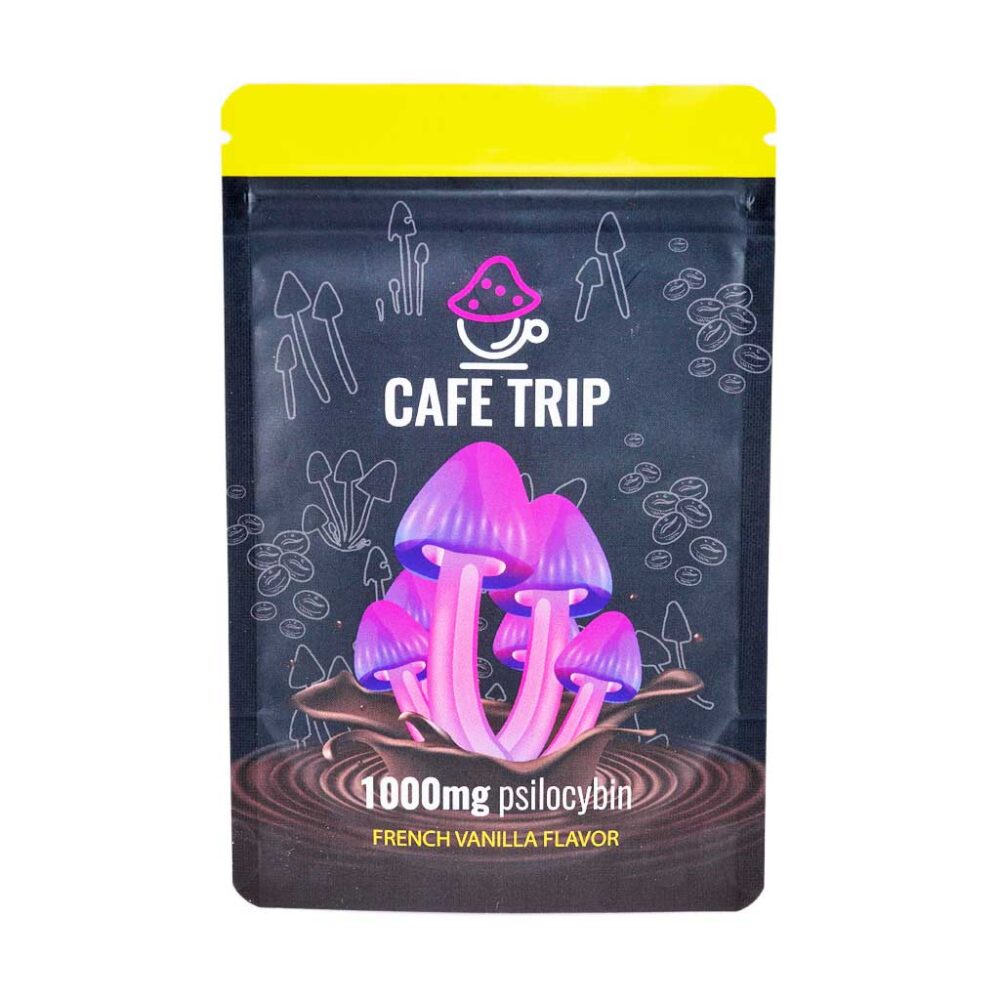
Gummies solve this by distributing psilocybin evenly throughout the batch. Most reputable brands test their products through third-party testing, so you know exactly how much psilocybin is in each gummy. That kind of precision is valuable for anyone who wants to treat their dosage like a medicine rather than a guessing game. I have seen people keep journals tracking their microdosing schedules, and the ones who use gummies report more predictable results than those who rely on raw mushrooms or homemade extracts.
The phrase tasty psychedelic gummies has become shorthand in some online communities for this combination of good flavor and reliable dosing. When someone asks for recommendations on a forum, the replies often focus on which brands taste best and which have the most accurate labels. That is a sign of a maturing market. Consumers are no longer willing to tolerate bad taste or sloppy manufacturing just because the product is hard to get.
Legal Status and Access
The legal status of psilocybin varies widely depending on where you live. In the United States, Oregon and Colorado have led the way with state-level decriminalization and regulated access. Denver and Oakland were early adopters of local decriminalization measures, which opened the door for more open discussion and safer access. In these places, mushroom edibles and gummies are sold in licensed shops much like cannabis dispensaries. The shift toward legalization has encouraged more brands to invest in professional packaging, quality control, and better recipes.
Even in places where psilocybin remains illegal, the demand for tasty psychedelic gummies has driven a gray market of online sales and local delivery services. That comes with obvious risks. Without third-party testing or regulatory oversight, consumers have to rely on customer reviews and word of mouth to find reliable sources. I have heard stories of people buying gummies that turned out to be underdosed or laced with other substances. That is why harm reduction advocates emphasize the importance of knowing the source and starting with a low dose, especially if you are trying a new brand for the first time.
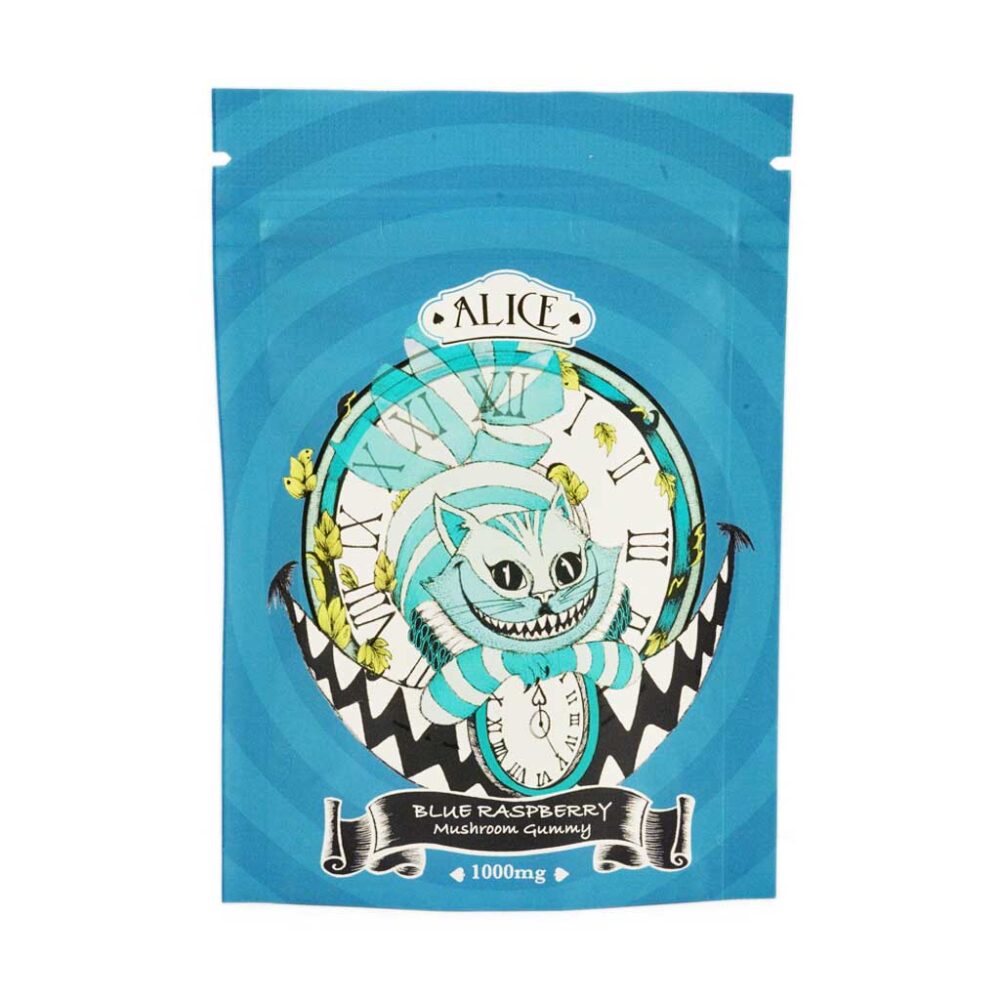
Flavored Gummies and the Therapeutic Context
Psychedelic therapy is gaining traction as a legitimate treatment for conditions like depression, PTSD, and end-of-life anxiety. In clinical settings, psilocybin is usually provided in capsule form to ensure precise dosing. But outside of clinical trials, many people are exploring therapeutic use on their own or with guides. For these users, the ritual of eating a gummy can feel more gentle than swallowing a pill or chewing on dried mushrooms. The pleasant taste lowers the psychological barrier and sets a more positive tone for the experience.
I have talked to therapists who work with psilocybin in states where it is legal, and they often note that the delivery method matters for the user's mindset. If someone associates the substance with a bad taste or nausea, that can create anxiety before the trip even begins. A tasty psychedelic gummy can help shift that association toward something more neutral or even positive. That is not a small thing when you are trying to address anxiety relief or trauma processing.
What to Look for in a Brand
If you are considering trying psilocybin gummies, whether for microdosing or a full trip, here are a few things to keep in mind:
- Third-party testing: Look for brands that publish lab results showing the psilocybin content and confirming no contaminants. This is the single most important indicator of quality.
- Clear dosage information: Each gummy should have a stated amount of psilocybin, usually in milligrams. Avoid products that use vague terms like "high potency" without numbers.
- Customer reviews: Check multiple sources for feedback on taste, effects, and consistency. People are usually honest about whether a product delivers what it promises.
- Ingredients list: Good brands use natural flavors and avoid excessive sugar or artificial additives. The gummy itself should be vegan-friendly if that matters to you.
- Legal compliance: In places like Oregon or Colorado, look for products sold in licensed dispensaries. Elsewhere, be aware of the legal status and proceed with caution.
Final Thoughts on the Gummy Revolution
The rise of tasty psychedelic gummies is not just about marketing or convenience. It reflects a broader trend toward making psilocybin more accessible and less intimidating for people who could benefit from it. Whether you are using it for microdosing to improve focus, for anxiety relief, or for a full psychedelic trip, the format matters. Good taste and reliable dosing are not luxuries; they are basic expectations for any consumer product.
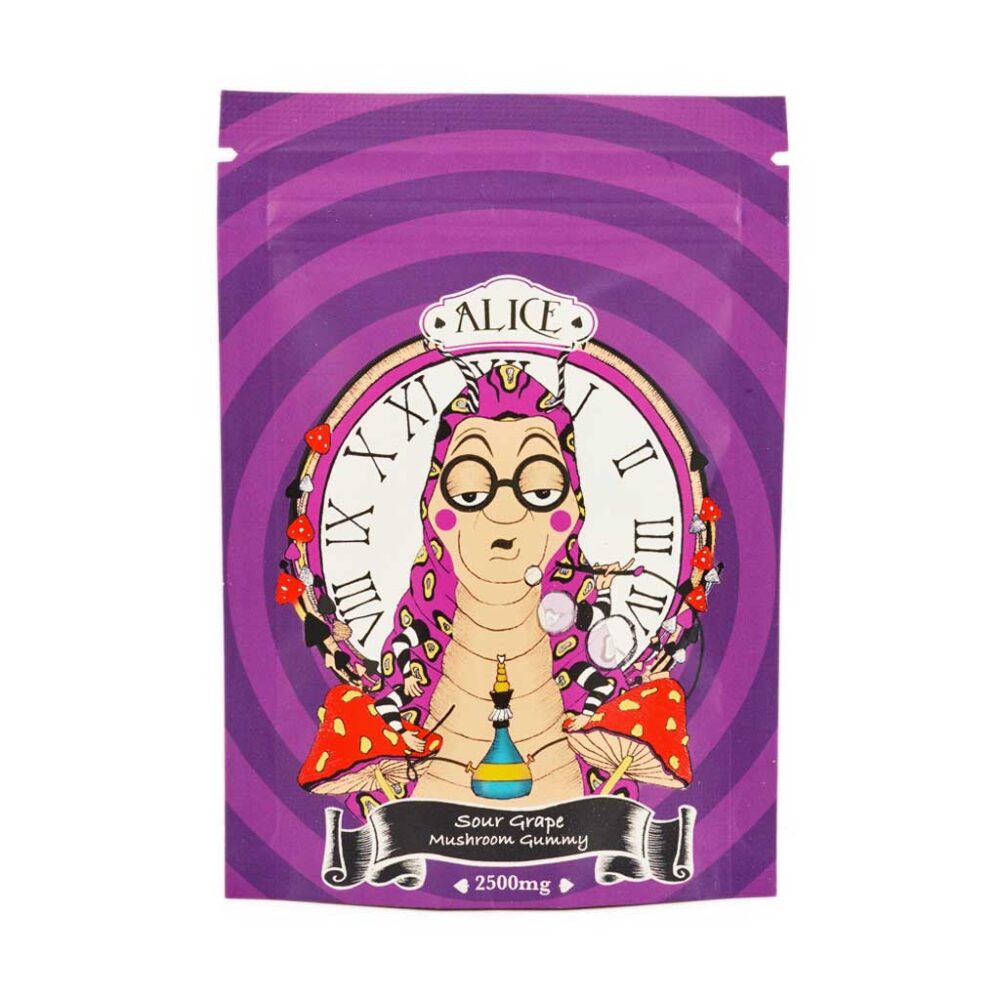
I have seen the market evolve from a handful of homemade chocolate bars to dozens of brands competing on flavor, texture, and potency. That competition has raised the bar for everyone. Companies that cut corners on quality or use misleading labels do not last long, because the community talks. Customer reviews and word of mouth can make or break a brand in a matter of weeks.
If you are curious about psilocybin but have been put off by the taste or the uncertainty of raw mushrooms, gummies are worth considering. Start with a low dose, read reviews, and pay attention to how your body responds. The goal is not just to have a pleasant taste in your mouth but to have a safe and meaningful experience. And having a product that actually tastes good makes that journey a little easier.